Ranked: The Fandom Losses That Break Us Hardest (And the Ones That Quietly Finish the Job)
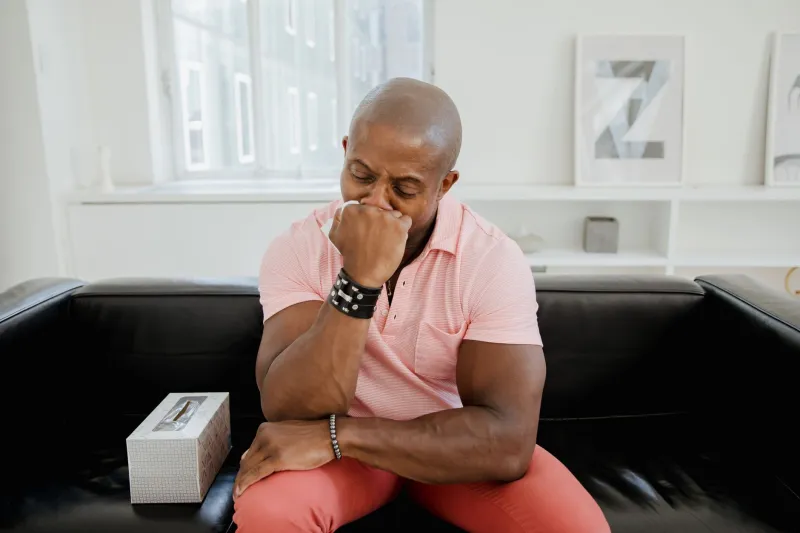
Let's get one thing straight before we even begin: grief is grief. Whether you lost a beloved grandmother or your favorite character just got killed off in the season finale, your nervous system is not particularly interested in hearing that one of those things is "more real" than the other. Fans know this. Psychologists are increasingly admitting this. And if you've ever ugly-cried into a bowl of cereal because a fictional ship got sunk, you absolutely know this.
But here's the thing nobody talks about: not all fandom losses are created equal. Some wreck you on impact. Others are slow burns. Some feel like a clean break, and others — the truly cursed ones — just keep hurting in new and creative ways every time you try to rewatch. We went deep on this. We talked to fans. We talked to people with actual psychology degrees. We built the tier list you didn't know you needed.
Buckle up. It's about to get emotional in here.
S-Tier: The Ones That Rewire Your Brain Permanently
The Character Death That Was Completely Unnecessary
Not every fictional death is created equal. There's the noble sacrifice — sad, but narratively satisfying. And then there's the other kind. The death that serves no purpose. The one that happens because a writer wanted to "subvert expectations" or because the showrunner got cocky after winning a few awards.
Think of the deaths that didn't just make you sad — they made you angry. The ones where you sat there going, "Wait. They actually did that. They actually just did that." Those are S-Tier losses. They don't just break your heart; they break your trust in storytelling itself.
"When a character death feels earned, you grieve and move on," says Dr. Marisa Henley, a clinical psychologist who works with young adults and has spoken publicly about parasocial relationships. "But when it feels arbitrary or punitive, fans experience something closer to betrayal trauma. The emotional investment was real. The violation of that investment is real too."
Fans on Reddit and Discord have been saying this for years. Science is just catching up.
A-Tier: Devastating, But At Least You Saw It Coming (Kind Of)
The Ship That Never Got to Be
You shipped them. You made playlists. You rewatched every meaningful glance, every almost-moment, every scene where the writers clearly knew what they were doing and were just stringing you along for sport. And then? Nothing. The show ended. They didn't get together. Or worse — one of them got with someone else in the finale and the writers acted like that was always the plan.
This is A-Tier pain. It's not quite S-Tier because, deep down, you knew the risks of shipping. You signed the unspoken contract. But that doesn't make the loss less real. It just makes it slightly more bearable at brunch.
The Series Finale That Fumbled Everything
Game of Thrones. We don't need to say more. But we will. A bad finale doesn't just ruin an ending — it retroactively poisons everything that came before it. Suddenly your favorite scenes feel tainted. The merch in your closet feels embarrassing. The tattoo — well, the tattoo is just there now, doing its best.
A bad finale is a special kind of loss because it takes something you loved and makes you question whether you were ever right to love it. That's psychologically brutal.
B-Tier: Painful, But You'll Survive (Probably)
The Actor Departure That Changes Everything
Your favorite character isn't dead. The show is still running. But the actor who was that character has left, and now someone else is playing them, and it's just... off. Like a cover song performed by someone who technically hits all the notes but has absolutely none of the soul.
This one is particularly rough in long-running shows where actors and characters have become genuinely inseparable in fans' minds. Recasting is a loss that the fandom is expected to absorb quietly and then just... keep watching. No funeral. No acknowledgment. Just: here's a new person, please redirect your love accordingly.
"Fans often describe recasting as a kind of identity disruption," notes fan studies researcher and podcast host Tara Kim, who studies parasocial dynamics. "You've built a relationship with a performance, not just a character. When that performance disappears, it's a legitimate loss even if the character technically survives."
The Fandom That Ate Itself
Sometimes the loss isn't about the show at all. Sometimes your community — the Discord server, the subreddit, the group chat you've had for six years — implodes. Drama, infighting, a particularly nasty flame war that ends with half the people you love logging off forever. This is an underrated category of grief that doesn't get nearly enough attention. You didn't just lose a hobby. You lost your people.
C-Tier: It Hurts, But You're Already Healing
The Spin-Off That Missed the Point
The original is over. You made peace with that. And then someone greenlit a spin-off that is technically set in the same universe but shares absolutely none of the energy, charm, or emotional intelligence of the source material. It's not bad enough to be angry about. It's just disappointing enough to be sad about, which is somehow worse.
The Hiatus That Became a Cancellation
One day it was "on hiatus." The next day you were reading a statement from the network that used the word "proud" approximately eleven times while confirming your show was never coming back. This is C-Tier only because the anticipatory grief of a hiatus softens the blow slightly. You'd already started practicing.
D-Tier: Still a Loss, But You're Basically Fine
The Merchandise Line That Got Discontinued
Look. It matters. It's just not going to keep you up at night. Unless it was the specific limited-edition item you'd been hunting for two years and it sold out the day before you could afford it. In that case, please move this to B-Tier and take the rest of the day off.
The One Constant Across Every Tier
Here's what every fan we spoke to agreed on, and what the research consistently backs up: the depth of grief is almost always proportional to the depth of investment. You don't cry over a show you were lukewarm about. You cry over the ones that got inside you, the ones that shaped how you understood yourself or the world, the ones that made you feel genuinely less alone during a stretch of time when you really needed that.
That's not pathetic. That's the whole point of storytelling.
So the next time someone side-eyes you for being "too emotional" about a fictional loss, feel free to hand them this article. Or don't. Some people just aren't ready to understand that the fandom grief is real, it's ranked, and some of it absolutely belongs in S-Tier.
We're obsessed, and we're not apologizing for it.