Someone Stole That Fan Art You Just Shared — And They're Making Money Off It
Let's set the scene. You're deep in your fandom corner of TikTok — the good part of the internet, your people, your safe space — and you stumble across a jaw-dropping piece of fan art. Your favorite character, rendered in a style so gorgeous it makes you want to cry into your merch hoodie. You share it. Your friends share it. It gets 200,000 views in 48 hours.
Congratulations. You just helped a content thief pay their rent.
This is the fan art theft pipeline, and it is running at full capacity in 2025. Original creators are watching their work get stripped of watermarks, slapped onto someone else's page, and monetized six ways to Sunday — while the actual artist sits at home with 400 followers and zero credit. It's a mess. It's infuriating. And the worst part? Even the most devoted, eagle-eyed fans often can't tell the difference.
How the Theft Actually Happens (It's Grimly Efficient)
Here's the playbook that content thieves are running. First, they scrape fan art from smaller platforms — DeviantArt, Tumblr, Twitter, personal portfolios — where talented creators post their work with modest audiences. Then they either remove watermarks using AI tools (yes, this is horrifyingly easy now), crop signatures out of frame, or simply repost the image without any attribution whatsoever.
The stolen art gets uploaded to a TikTok or Instagram account with a vague name like "@[FandomName]Daily" or "@BestFanArtHub" — accounts that have spent months or years building followings by aggregating other people's content. The algorithm rewards consistency and engagement, not originality. So these accounts thrive.
From there, the theft gets even more brazen. Some accounts funnel traffic toward print-on-demand stores on Redbubble, Teepublic, or Etsy, slapping the stolen art on t-shirts, phone cases, and tote bags. The original artist gets nothing. The thief gets a passive income stream and, sometimes, brand sponsorships. It is, to put it diplomatically, absolute garbage.
"I found my art on a Redbubble store with over 3,000 sales," says Maya R., a fan artist who creates work based on a popular fantasy TV series and asked that her last name be withheld. "I had never uploaded it anywhere that account could have found it legitimately. Someone had screenshotted it from my Discord server. I made zero dollars. They made hundreds."
The Legal Gray Area That Makes This So Complicated
Here's where things get philosophically thorny, and we mean that in the most legally exhausting way possible. Fan art itself exists in a legal gray zone. Technically, creating art based on copyrighted characters without a license is an infringement on the original IP holder's rights. Studios and networks largely tolerate fan art because it drives engagement and goodwill — but they're not legally obligated to.
What this means in practice: fan artists don't always have clean legal standing to go after someone who steals their fan art, because their art was already operating in murky territory. You can't easily sue someone for stealing your technically-unauthorized reproduction of someone else's intellectual property. It's a legal Matryoshka doll of bad news.
That said, creators do retain copyright over their original artistic expression — the specific lines, colors, and composition they created — even if the subject matter is borrowed. So a thief reposting your fan art without permission is still violating your copyright in your artwork. The problem is enforcement. Filing DMCA takedowns costs time and energy, and platforms are notoriously slow to act. Many creators burn out fighting the same theft over and over.
"I've filed probably 40 DMCA notices in the last two years," says Jordan T., a digital artist who creates fan work for several major animated series. "Some get taken down. Some don't. The accounts just come back with slightly different names and start over. It's whack-a-mole and I'm running out of quarters."
Why Fans Can't Always Tell — And That's Not Their Fault
Here's something important to say out loud: if you've shared stolen fan art, you are not the villain in this story. Content thieves are extremely good at what they do. They build accounts that look legitimate. They write captions that sound like fans. They engage in comment sections with genuine-seeming enthusiasm. The whole operation is designed to feel authentic.
Fans also tend to assume that big accounts with huge followings must be doing something right. A page with 500K followers seems credible. It seems like the kind of place that would have permission, or at least would credit properly. That assumption is exactly what these accounts are banking on.
Adding to the confusion: fan art aggregator accounts aren't always thieves. Some legitimately ask for permission, tag original creators, and serve as a genuine discovery pipeline for smaller artists. The bad actors have learned to mimic the aesthetics of the good ones. It's deeply annoying.
Your Practical 'Before You Share' Checklist
Okay. You've seen the gorgeous art. Your finger is hovering over the share button. Here's what to do first — it takes about two minutes and could save a creator's livelihood from being further exploited.
1. Check the caption for a credit tag. Not just "artist unknown" (that phrase should be a red flag every single time). Look for an actual @ handle or a linked source.
2. Reverse image search it. On desktop, right-click the image and select "Search Image" in Chrome, or use Google Lens on mobile. If the original source pops up with a different creator's name, you've found your answer.
3. Look at the posting account's history. Does every single post feature different art styles with no consistent creator credited? That's an aggregator account. Proceed with suspicion.
4. Check for watermark removal artifacts. Blurry corners, weird color patches in one section of the image, or a suspiciously clean background where a signature might have been — these are signs someone did some digital housekeeping.
5. When in doubt, don't share. Or share with a note that you couldn't verify the original creator, and ask if anyone knows. Your fandom community is usually excellent at tracking down original sources.
What You Can Do Beyond the Share Button
The most powerful thing fans can do is actively support original creators directly. Follow fan artists on their actual platforms. Commission work if you can afford it. Buy from their official stores rather than third-party aggregators. When you see an account posting stolen art, report it — platforms do respond to volume, even if slowly.
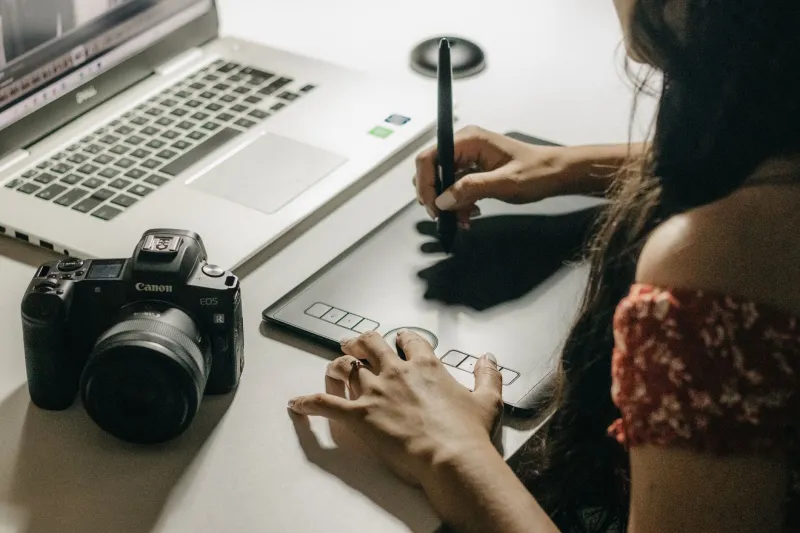
And if you're a fan artist yourself? Watermark your work (visible watermarks, not tucked in a corner). Document your creation process with time-stamped screenshots or video. Register your original works with the US Copyright Office if you're producing at volume — it's inexpensive and gives you much stronger legal footing if you ever need to pursue action.
The fandom ecosystem is at its best when the people creating inside it — the writers, the artists, the cosplayers, the fan editors — are celebrated and protected. Letting content thieves vacuum up that creative energy and monetize it isn't just unfair to individual creators. It slowly poisons the well for all of us.
So the next time something gorgeous lands on your feed and your heart does that little fandom flutter? Take two minutes. Find the source. Credit the human. Be the fan community you wish to see in the world.
And maybe report that sketchy aggregator account while you're at it. They've had it coming.