Mileage, Merch, and Missing PTO: The Real Math of Following Your Fave in 2026
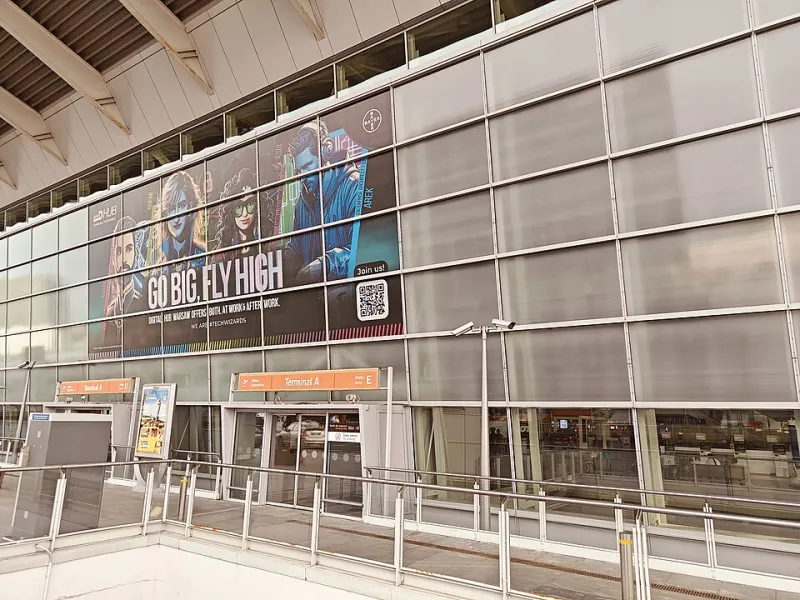
Photo: PerpetualTraveler, CC BY-SA 4.0, via Wikimedia Commons
The first rule of fandom travel is that nobody puts the real number in the group chat. They post the selfie, the wristband, the blurry video of the encore. They do not post the $87 airport sandwich, the $240 last-minute hotel change, or the spreadsheet tab labeled 'do not show my mother.'
In 2026, following your fave is not just a hobby. It is a travel category. It has its own vocabulary: presale anxiety, hotel surge, merch line, PTO math. And it has a price.
The Four-Stop Tour, Priced Out
Let us use a realistic domestic example. A fan in the Midwest decides to follow a five-city tour to four stops. They are not doing VIP every night. They are not flying first class. They are trying to be reasonable, which in fandom means 'only slightly unhinged.'
Here is a sample budget:
| Line item | Realistic 2026 cost |
|---|---|
| Round-trip flights for three stops | $620 |
| One train or bus leg | $95 |
| Hotels, four nights, shared room | $780 |
| Concert tickets, four shows | $680 |
| Ticket fees and service charges | $165 |
| Ground transport and parking | $140 |
| Food and coffee | $260 |
| Merch, two drops | $240 |
| Pet sitter or plant sitter | $120 |
| Unpaid time off, two days | $520 |
| Total | $3,620 |
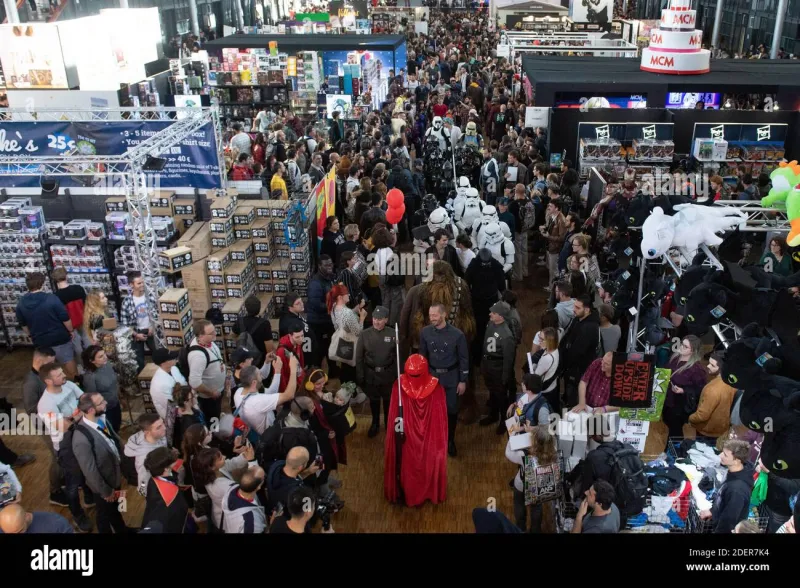
That is one tour. Not a year. Not a convention. One run of shows, with a shared hotel room and no VIP upgrades. Add a convention badge, a flight, a hotel, and a cosplay repair kit, and you are looking at another $1,200 to $2,000. Add a filming location trip, because you have watched the same 12 episodes enough times to recognize a bridge, and the number climbs again.
The $12,000 fan is not a myth. They are the person who does four tours, two cons, one premiere, and a handful of local meetups. They are also the person who has learned to say 'I can do this one' instead of 'I can do all of it.'
Where the Money Actually Goes
The ticket is rarely the whole story. In 2026, the ticket is the bait. The fees are the trap. The hotel is the variable that can ruin the whole plan. A convention announcement can spike room rates in a city faster than you can say 'non-refundable.' A last-minute tour date can turn a $180 flight into a $420 flight. A merch drop can turn a budget into a personality trait.
Then there is the invisible cost: unpaid time off. For hourly workers, a fandom trip is not just a spend. It is a missed shift. For parents, it is childcare. For pets, it is boarding. For anyone with a chronic illness or a disability, it is the extra cost of making the trip accessible, from seating to medication storage to a room with a fridge.
This is the part that gets left out of the 'just save better' advice. Not everyone is choosing between a tour and a new couch. Some people are choosing between a tour and rent.
Who Gets to Participate?
That is the uncomfortable question at the center of fandom travel. When a tour skips your city, when a convention sells out in seven minutes, when a meet-and-greet costs more than a paycheck, fandom becomes a geography test and a class filter. The internet makes it feel like everyone is there. The group chat makes it feel like you are missing out. The algorithm makes it feel like a personal failure.
It is not. It is a pricing problem.
How Fans Are Making It Work
The fans who do this well are not necessarily the richest. They are the most strategic.
They pick one anchor event. One tour stop, one con, one premiere. They build the year around it instead of trying to do everything.
They book refundable. They split rooms. They use points. They take the train when it makes sense. They buy merch after the drop, from the fan who bought two sizes and is now selling one at cost. They skip VIP and spend the money on a better seat or a second show. They make local friends and plan watch parties instead of flights. They use mutual aid and fan-run ticket funds when they exist, and they do not treat those funds as a personal ATM.
They also talk about money. Not in a performative way. In a 'here is what I can actually afford' way. The group chat that can say 'I am sitting this one out' without a follow-up interrogation is a group chat that will survive.
The Point Is Not the Receipt
Fandom travel is not a moral failing. It is a choice, and sometimes it is a great one. The trip is real. The friends are real. The memory of screaming the bridge with 4,000 strangers is real.
But the receipt is real too. The $12,000 fan is not a cautionary tale. They are a data point. The question is not whether fandom should cost money. It does. The question is whether we can be honest about the number, kind to the people who cannot hit it, and generous to the people who make the trip worth taking. At DittoHolic, we do not do judgment. We do receipts, group chats, and one very strategic savings account.
Also, bring snacks. The airport sandwich is always a scam.