Glue Guns, Glory, and Cold Hard Cash: How Cosplayers Turned Fan Obsession Into a Real Career
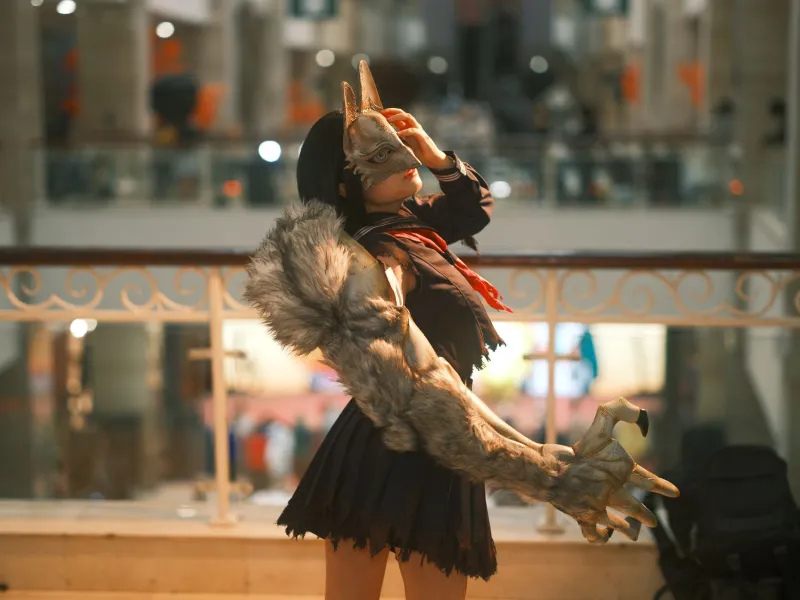
Let's be honest: the first time you saw someone show up to a convention in a flawless, hand-crafted suit of Iron Man armor — every panel vacuum-formed, every LED perfectly synced — you probably thought one of two things. Either how on earth did they do that, or I could never. But here's the twist nobody saw coming: that person in the armor? They might have made more money last year from cosplay than from their actual day job.
Welcome to the Cosplay Economy, where fan obsession meets spreadsheet hustle, and the line between "I do this for fun" and "this pays my rent" has completely dissolved.
From Convention Floor to Commission Waitlist
The traditional image of a cosplayer is someone who spends three months and way too much of their paycheck building a costume they'll wear once, get twelve compliments on, and then shove into a closet. That version still exists — and honestly, it's beautiful — but it's no longer the only story.
Today, a growing number of dedicated fans are turning their construction skills into full-blown commission businesses. The demand is staggering. Not everyone has the time, tools, or talent to build a screen-accurate replica of a character's armor, and plenty of fans with deep pockets are more than willing to pay someone else to do it. Commission prices reflect that reality. Entry-level costume pieces might start around $150 to $300, but elaborate, fully custom builds — think full-body foam armor with articulated joints, or intricately embroidered fantasy gowns — can run anywhere from $1,500 to well over $10,000.
Some cosplayers report waitlists stretching six months to a year out. That's not a hobby. That's a small business with a backlog.
Patreon and the Power of Showing Your Work
Here's something the cosplay community figured out before a lot of other creative niches did: people don't just want the finished product. They want to watch it get made.
Platforms like Patreon have become a cornerstone of the professional cosplayer's income strategy. Fans — and aspiring cosplayers — will happily pay a monthly subscription fee for behind-the-scenes content: pattern tutorials, material breakdowns, "how I painted this to look like real metal" videos, and the kind of unfiltered process content that makes you feel like you're in the workshop with them. Top-tier cosplay creators on Patreon are pulling in anywhere from a few hundred to several thousand dollars per month just from subscribers who want to learn from the best.
The genius of this model is that it monetizes knowledge, not just labor. You're not just selling a costume — you're selling the years of trial, error, and hot-glue-related injuries it took to get good at this.
TikTok Turned the Whole Game Upside Down
If Patreon is the steady income stream, TikTok is the rocket fuel. The platform's short-form video format is almost absurdly well-suited to cosplay content. A time-lapse of a foam build going from flat sheets to a finished helmet? Algorithmically irresistible. A transformation video — plain clothes, then full character reveal — practically prints views.
Cosplayers who cracked the TikTok code have seen their followings explode in ways that would have taken years to achieve on older platforms. And with followers come brand deals. Craft supply companies, fabric retailers, 3D printing services, and prop-making tool brands have all figured out that a cosplayer with 500,000 followers is an incredibly targeted marketing channel. Sponsored content deals, affiliate links, and product partnerships have become a meaningful revenue layer for creators who've built an audience.
The math gets interesting fast. A mid-tier cosplay creator with around 200,000 followers across platforms might be combining Patreon subscriptions, commission income, TikTok creator fund payouts, and one or two brand deals a month. Add it all up, and you're looking at a genuine full-time income — one that, crucially, they built entirely around something they were obsessed with anyway.
Convention Life: The IRL Revenue Stream
For all the digital hustle, conventions remain a critical piece of the professional cosplay puzzle. But the relationship has changed. Where a hobbyist goes to a con to attend, a professional cosplayer increasingly goes to work.
Guest appearances, judging gigs for cosplay competitions, and convention-floor booth setups where creators sell prints, patterns, and merchandise have all become standard parts of the professional circuit. Major events like San Diego Comic-Con, Dragon Con, and PAX draw tens of thousands of attendees, and a recognizable cosplayer with a booth in the right spot can move serious product over a weekend.
There's also the influencer angle. Conventions will sometimes comp badges, hotel rooms, or travel for cosplayers with significant followings in exchange for social media coverage. It's a mutually beneficial arrangement that would have sounded completely made-up to convention-goers a decade ago.
The Tools of the Trade (And the Learning Curve)
None of this happens without serious investment — in time, skill, and yes, equipment. The modern professional cosplayer's toolkit reads like a fever dream of craft store runs and specialized nerd gear: EVA foam in about fifteen densities, Worbla thermoplastic, heat guns, Dremel rotary tools, airbrush setups, resin casting kits, and increasingly, 3D printers that have become genuinely affordable in recent years.
Platforms like YouTube and Discord communities have essentially democratized the education side of things. Want to learn to cast resin props? There's a 45-minute tutorial for that. Struggling with foam heat-shaping? Someone in a Discord server has answered that exact question approximately 400 times and will answer it again cheerfully. The barrier to entry for learning this craft has never been lower, which means the talent pool is deeper than ever — and competition for commission clients is real.
The Identity Shift: Hobbyist to Hustler
Here's the part that doesn't always get talked about: going professional changes your relationship with the thing you love. When cosplay is purely a hobby, you build what you want, when you want, at whatever quality level feels right. When it's a business, you're building what clients want, on their timeline, at a standard that justifies the price tag.
Some cosplayers navigate this beautifully, carving out personal projects alongside commission work to keep the joy alive. Others burn out. The communities around professional cosplay are increasingly candid about this tension — the importance of protecting the creative spark that started the whole thing, even as you optimize and monetize around it.
But for plenty of people, the hustle is the joy. There's something deeply satisfying about being so good at loving a thing that people will pay you for it.
The Bottom Line
The Cosplay Economy isn't a fluke or a niche anomaly. It's a direct product of what happens when fan culture gets serious about itself — when the obsession stops being apologized for and starts being leveraged. DittoHolics, of all people, should appreciate that energy.
Your favorite character's armor isn't just a costume anymore. In the right hands, with the right platform strategy and a genuinely unhinged level of dedication, it's a business plan. And honestly? That's one of the most fan-brained, beautiful things we've ever heard.