The Basement Auteurs: Meet the Fans Who Recut Studio Movies Until They Finally Work
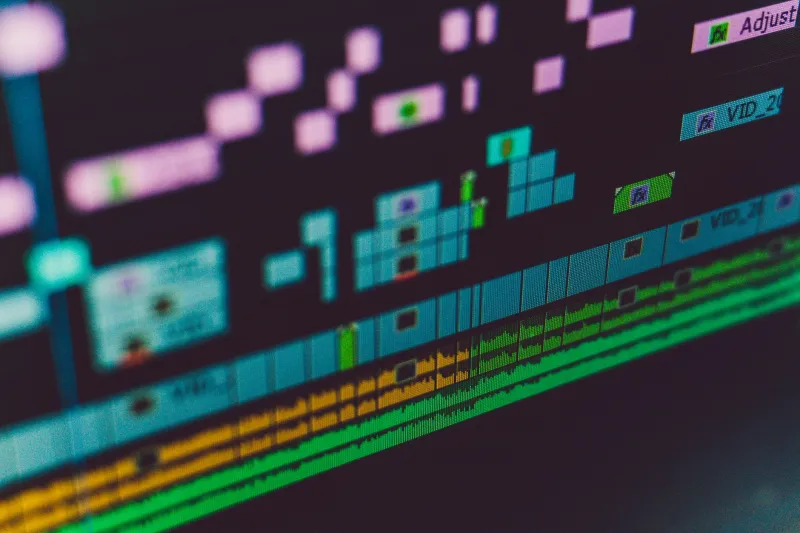
Fan edits have a reputation problem. Say the words 'fan edit' in a group chat and someone pictures a two-hour YouTube essay with a red circle, a grudge, and a title card that says 'the studio lied to you.' But the people rebuilding movies in DaVinci Resolve at 1 a.m. are not just complaining. They are doing repair work. They love the source material so much they cannot leave it broken.
Here at DittoHolic, we have always believed obsession is a form of attention. Fan editing is attention with a timeline, a render queue, and an uncomfortable number of external hard drives. The subculture lives on forums like Fanedit.org, in r/fanedits, and in private Discord servers where links expire and rules are posted in all caps. The goal is not to dunk on a director. The goal is to make the movie the editor already sees in their head.
The Edit Is the Love Language
'People think we hate the movie,' says Marcus, a 34-year-old editor in Ohio who has spent four years on a recut of a maligned sequel. 'I have seen this movie 60 times. I have a poster. I have a problem. The edit is how I stop yelling at the screen.'
That is the emotional engine of the scene. A fan edit is not criticism in the usual sense. It is criticism you can watch. The editor is not saying 'this is bad.' They are saying 'this is good, and I can prove it by removing 23 minutes of studio interference, three unnecessary jokes, and one subplot that goes nowhere.' The result can be tender, petty, brilliant, or all three at once. Sometimes it is a 90-minute theatrical cut. Sometimes it is a four-hour 'restored' epic with an intermission and a fan-made title card.
The repairs vary. One editor restores a buried subplot from deleted scenes and reshuffles the second act so a relationship actually makes sense. Another de-ages a villain using AI-assisted tools so a flashback does not feel like a costume party. A third takes a two-part finale and cuts it into a single film because, in their words, 'the emotional math only works if you do not get up to make popcorn.'
Inside the Timeline: Tools, Tricks, and the 90-Minute Doctrine
The tools are not exotic. Most editors use DaVinci Resolve, Adobe Premiere, or Final Cut Pro. They work from Blu-ray rips, digital copies, deleted scenes, soundtrack stems, and whatever else they can legally obtain and illegally tinker with. The craft is real. A good fan edit is not a random assembly of scenes. It is a re-argument. The editor has to understand pacing, score, color timing, and the exact moment an audience will forgive a plot hole if the music swells correctly.
There is also a surprisingly strict internal culture. Many communities ban requests for full movies, forbid selling edits, and insist on 'fan edit preservation' language that sounds less like piracy and more like a tiny museum with a render queue. The 90-minute doctrine is popular: if a movie can be tighter, funnier, and more emotionally coherent at 90 minutes, why let it sprawl? The answer, of course, is money, contracts, and the fact that studios do not generally take notes from a guy named @timelinegoblin on Reddit.
The Copyright Elephant in the Render Queue
Let us address the obvious. Fan edits live in a gray zone. Editors argue they are transformative works, protected commentary, or at least a harmless expression of fandom. Studios and rights holders argue otherwise. Distribution usually happens through private links, password-protected pages, and the digital equivalent of a friend handing you a burned DVD in a parking lot. Nobody is getting rich. Most editors spend money on storage, software, and takeout.
The ethical questions are real. Some fan editors refuse to touch films by living directors. Some will not recut anything that is currently in theaters. Others argue that once a movie is out in the world, the conversation belongs to everyone who loves it. The scene is not a monolith. It is a bunch of very online people with strong opinions about aspect ratios and a shared belief that 'close enough' is not a finished product.
Why a Stranger's Recut Feels More Real
There is a strange intimacy to watching a fan edit. You are watching someone else's attention. You notice the scenes they saved, the jokes they cut, the character beats they protected. A studio cut is a compromise between artists, executives, test audiences, and release calendars. A fan edit is a compromise between one obsessed person and their own patience. That does not make it objectively better. It does make it different in a way that can feel more honest.
'Canon is a group project with a locked Google Doc,' Marcus says. 'Fan editing is what happens when someone makes a copy and finally fixes the formatting.'
That is the real appeal. Not destruction. Repair. The fan editor is not burning down the movie. They are putting it back together in the shape they fell in love with. If that means a 12-minute rescue mission, a new opening credits sequence, and a villain who finally looks his age, so be it. The basement auteurs are not waiting for permission. They are waiting for the render to finish.